
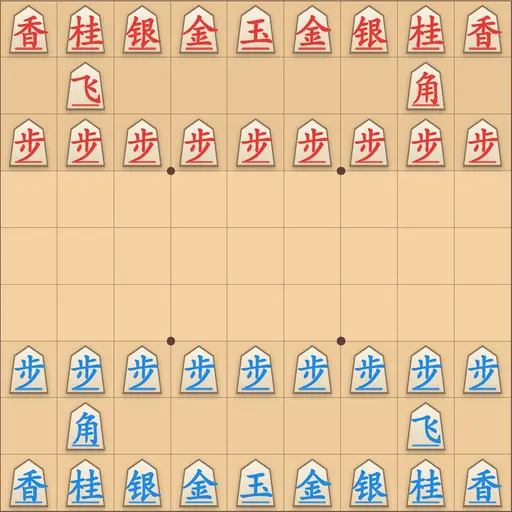
About Shogi
Shogi is Japanese chess with one rule that changes everything: captured pieces switch sides, and you can drop them back onto the board as your own. No trade is ever final, material never runs out, and attacks can erupt from an empty hand — which makes shogi one of the most relentlessly aggressive games in the chess family.
Playing shogi here means the tricky bookkeeping is done for you: promotion zones, forced promotions, and every legal-drop restriction — no two unpromoted pawns on a file, no pawn-drop checkmate, no dead-end drops — are enforced automatically. Four AI levels give you a ladder to climb, same-screen mode covers play with a friend in person, and online rooms let you send a link and play live across the internet.
Shogi at a glance
- Origin
- Japan; the modern 9×9 game with drops dates to the 16th century
- Board
- 9×9 squares, 20 pieces per side plus pieces in hand
- Players
- 2
- Modes here
- vs AI (4 levels), same-screen 2P, online friend rooms
- Learn more
- Wikipedia
Shogi pieces and how they move
These Japanese characters are the pieces themselves. Every piece points toward the opponent; after capture, turn it around and it becomes yours.
How to play Shogi
Players move one piece per turn on a 9×9 board. Checkmate the enemy king to win — captured pieces go to your hand and can re-enter the fight.
- Most pieces echo chess: the rook and bishop are the power pieces, gold and silver generals guard the king, and pawns advance one square capturing straight ahead.
- Instead of moving, you may drop any piece from your hand onto almost any empty square — it lands unpromoted and fights for you.
- The far three ranks are the promotion zone. A piece moving into, out of, or within it may promote; pawns and lances on the last rank and knights on the last two must promote.
- Promoted pawns, lances, knights, and silvers move like gold generals; the promoted rook and bishop keep their moves and add king steps.
- Drop restrictions apply: never two of your unpromoted pawns on one file, never a drop that can never move, and never a pawn drop that delivers immediate checkmate.
Shogi strategy tips
- Build a castle: spend a few early moves tucking your king behind generals — kin and gin working together stop most drop attacks.
- Count the pieces in hand, not just on the board. A rook in hand is a threat against every weak square at once.
- Trade carefully: every piece you win can be dropped against you later if you lose it back.
- Pawns in hand are tempo: a well-timed pawn drop blocks a check, anchors an attack, or forces a general to retreat.
- Aim promotions at the enemy king's corner — a promoted silver or pawn next to the king often decides the game.
Shogi FAQ
- What makes shogi different from chess?
- Drops. Captured pieces join your hand and can be placed back on the board as your own, so material never leaves the game and defense must account for threats appearing anywhere. Add promotion for almost every piece and you get a game that stays sharp from the first move to the last.
- Do I have to memorize the Japanese characters?
- No. Piece movement is what matters, and the board shows you every legal move when you pick a piece up. Most players learn to recognize the handful of characters within a few games without trying.
- Which drop rules does the board enforce?
- All of them: you cannot have two unpromoted pawns on the same file, cannot drop a piece where it would never have a legal move, and cannot checkmate with a pawn drop. Illegal drops are simply rejected, so you learn the rules by playing.
- Can I play shogi online with a friend?
- Yes. Open an online room, send the link, and your friend joins the same live board from any browser — drops, promotions, and hands all sync in real time, no accounts involved.
- Is shogi harder to learn than chess?
- The movement rules take about the same effort; drops add a layer that feels strange for the first few games and thrilling afterward. Start on the easy AI with undo on, and you will be comfortable within an evening.
Games like Shogi
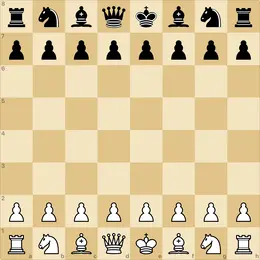
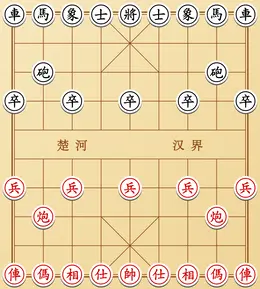
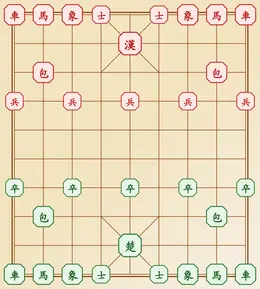
No trade is ever final — drop your captured pieces back into battle and play shogi free.