
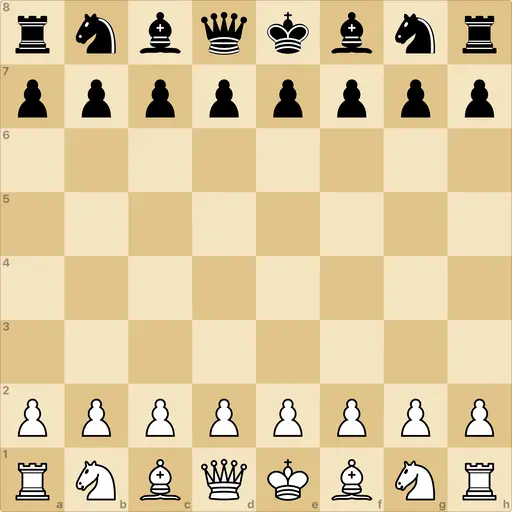
About Chess
Chess is the world's most played strategy board game: two armies of sixteen pieces face off on an 8×8 board, and the goal is to trap the enemy king in checkmate. Every piece moves differently, so each game becomes a fresh puzzle of attack, defense, and long-term planning — which is exactly why the game has stayed popular for over fifteen hundred years.
On FreePlayBase you play full-rules chess directly in the browser: castling, en passant, pawn promotion, and threefold-repetition draws are all enforced for you. Choose one of four AI levels from easy to master, take back a move when you slip, or ask for a hint when you are stuck. You can also pass the device to a friend for an over-the-board feel, or open an online room and send the invite link to play someone in real time.
Chess at a glance
- Origin
- Evolved from chaturanga in 6th-century India; modern rules settled in 15th-century Europe
- Board
- 8×8 squares, 16 pieces per side
- Players
- 2
- Modes here
- vs AI (4 levels), same-screen 2P, online friend rooms
- Learn more
- Wikipedia
Chess pieces and how they move
Start with the white set below. Black uses the same shapes in a darker finish; learn the shape first, then the move.


How to play Chess
White moves first, and players alternate one move at a time. The game ends when a king is checkmated, a player resigns, or a draw condition is reached.
- Each piece moves in its own pattern: rooks slide along ranks and files, bishops along diagonals, the queen combines both, knights jump in an L-shape, and pawns step forward one square (two on their first move).
- Capture an enemy piece by moving onto its square. Pawns are the exception — they capture one square diagonally forward.
- When your king is attacked, it is in check, and you must get out of it immediately: move the king, block the attack, or capture the attacker.
- Castle once per game to tuck your king behind pawns and activate a rook — the squares between them must be empty and the king may not cross an attacked square.
- Push a pawn to the last rank and it promotes, usually to a queen. Checkmate the enemy king to win.
Chess strategy tips
- Fight for the four center squares early — knights and bishops placed there control far more of the board.
- Develop minor pieces before moving the queen, and castle early to keep your king out of the crossfire.
- Don't move the same piece twice in the opening without a concrete reason; every tempo counts.
- Before each move, scan for checks, captures, and threats — yours and your opponent's — in that order.
- In endgames, activate your king: it becomes a fighting piece once queens are off the board.
Chess FAQ
- Can I play chess here without creating an account?
- Yes. Every mode — the AI opponent, same-screen two-player, and online friend rooms — works without signing up or installing anything. Open the page and play.
- How strong is the chess AI?
- There are four levels. Easy and medium are forgiving enough for casual games and practice, while hard and master will punish loose openings and hanging pieces. If you win comfortably at one level, step up to the next.
- Are special rules like castling and en passant supported?
- Yes, the full FIDE move set is enforced: castling on both sides, en passant captures, pawn promotion with a choice of piece, and automatic draw detection for stalemate and threefold repetition.
- How do I play chess online with a friend?
- Open a room from the game page and share the invite link. Your friend taps the link and joins the same live board from any device — moves sync in real time and no account is needed on either side.
- Can I undo a move or get a hint against the computer?
- Yes. In AI games you can take back your last move and ask for a hint whenever it is your turn, which makes the board a comfortable place to learn without pressure.
- Where do the chess piece designs come from?
- The piece SVGs are by Colin M.L. Burnett (Cburnett), published on Wikimedia Commons and used unmodified under CC BY-SA 3.0. We also credit that work on the About and Terms pages.
Games like Chess
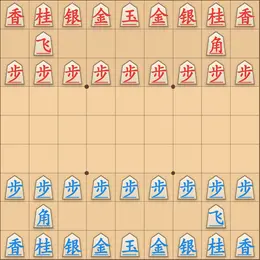
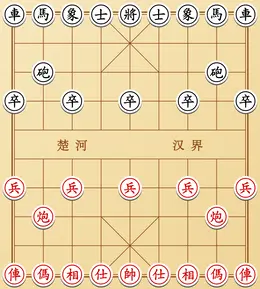
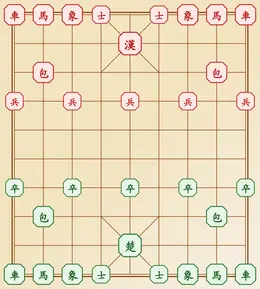
The board is set and White is ready to move — play a game right now, free in your browser.